Skip links

Archive

Calcined Clay discussion document

Discussion Document 51: Calcined Clay

This discussion document aims to demonstrate the viability of calcined clays as a Supplementary Cementitious Material (SCM) in concrete. The paper recommends a series of interventions to enable behavioural change, demand signalling, and widespread adoption of calcined clay in the UK.
Claire Ackerman

Claire Ackerman

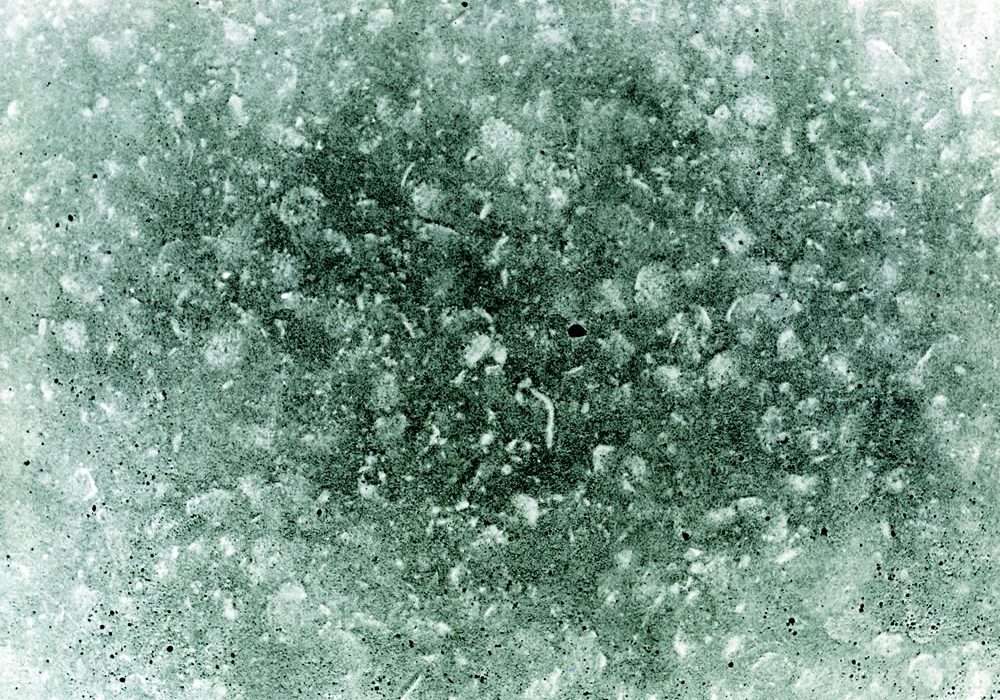
Negative aggregate transparency

Negative aggregate transparency can occur in formed concrete when there is segregation of fines and associated water between the form-face and the coarse aggregate.

jonnyhough

jonnyhough

Aggregate transparency

Aggregate transparency can occur in formed concrete when there is segregation of fines and associated water between the form-face and the coarse aggregate.

jonnyhough

jonnyhough

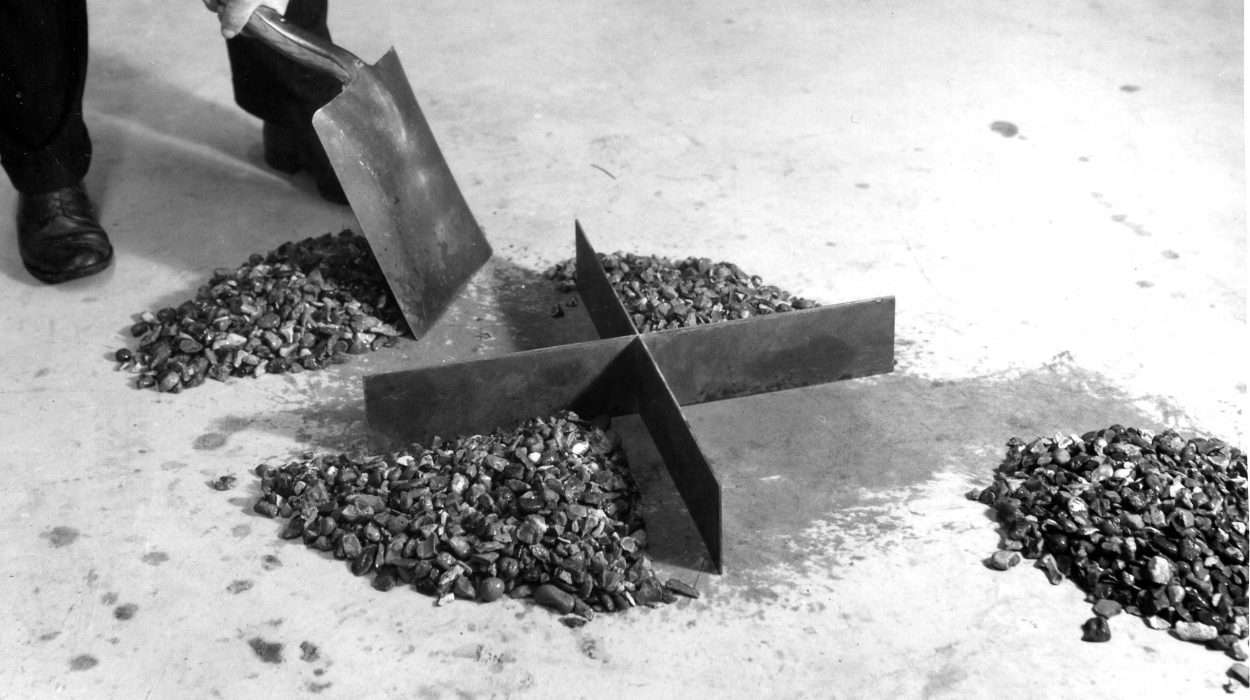
Quartering of aggregate

Quartering is the alternative method of reducing the size of a bulk aggregate sample where a sample divider (riffle box) is not available. The bulk sample should be shovelled to form a cone, and turned over to form a new cone, this being done three times. The third cone shoul d be flattened to an even layer 75 – 100 mm thick and then divided into four equal quadrants with two diagonally opposite quarters being discarded. The procedure is then repeated on the remainder until the desired size of sample remains. A similar process can be used for sub-dividing fresh concrete.

jonnyhough

jonnyhough

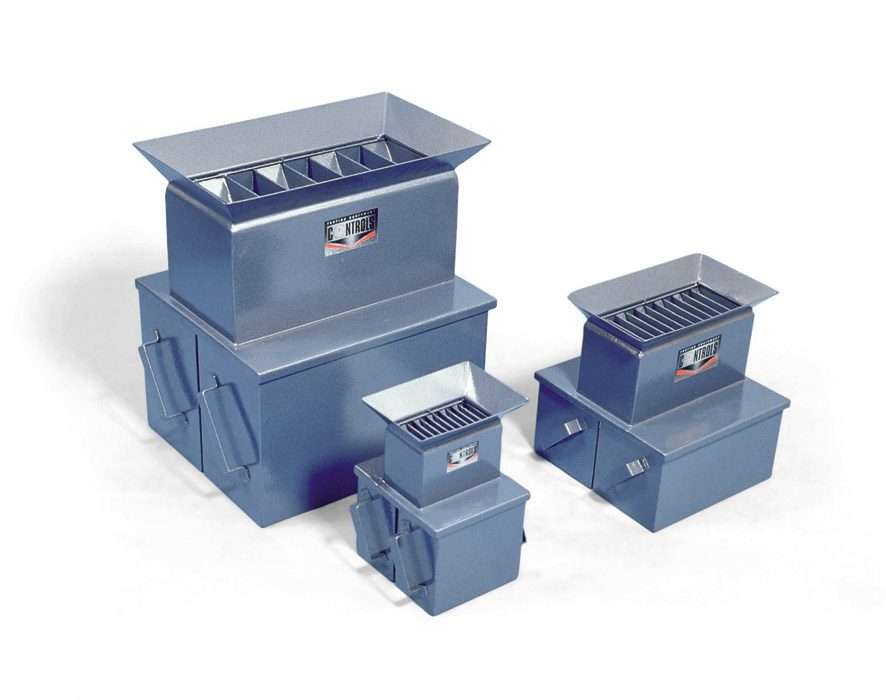
Riffle box

A sample divider (riffle box) is the most convenient method to reduce a bulk sample of aggregate to a smaller quantity for testing. The riffle box is designed so that material poured in the top is divided approximately equally and diverted to two sides

jonnyhough

jonnyhough

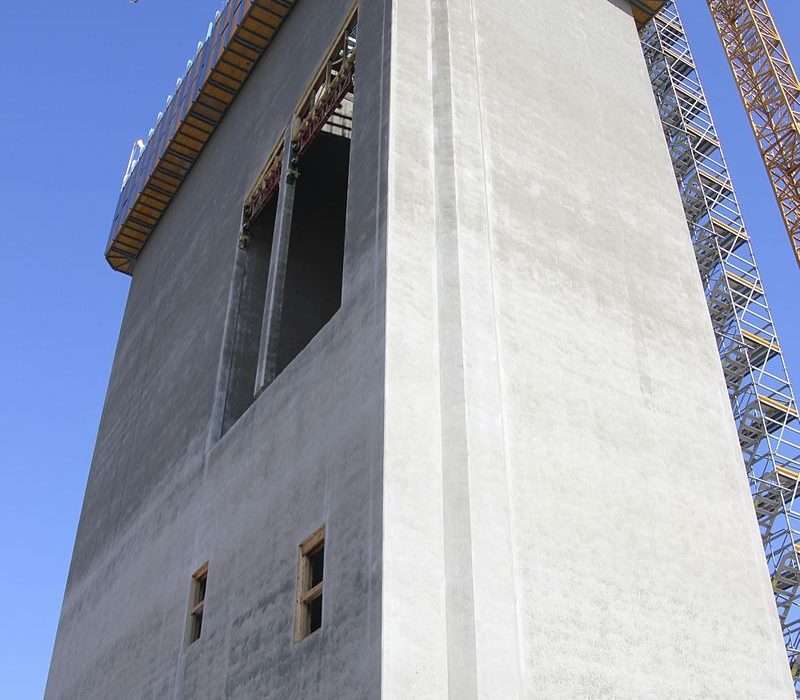
Concrete for vertical slipforming

Variation of the rate of climb of the slipform and the control of setting and hardening of the concrete in varying ambient temperatures dictate the mix design. This needs to be sufficiently flexible to enable the proportions to be varied to meet the changing ambient conditions and still comply with the minimum structural requirements.

jonnyhough

jonnyhough

Magnesium oxide-based cements

The magnesium oxide-based cements that are currently manufactured or are under development are derived from two distinct chemical/mineralogical forms (and associated processes): magnesium carbonates (e.g. the mineral magnesite) or magnesium silicates. In the first case, the cementing substance is a reactive magnesium oxide but in the second case it is a mixture of magnesium oxide and hydrated magnesium carbonates.

jonnyhough

jonnyhough

CSA-belite cements

CSA-belite cements are made by heating/sintering industrial wastes such as fly ash, gypsum and limestone at approximately 1200oC in rotary kilns.

jonnyhough

jonnyhough

This website uses cookies to improve your web experience.